A2J Fellows Present Research on Pro Se Settlements, Civil Commitment Reform, and Generative AI at Inaugural Symposium
Tuesday, November 10, 2026
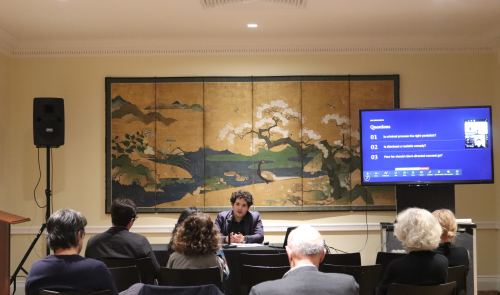
This week, the Center on Civil Justice celebrated the work of its first cohort of Access to Justice Fellows with a symposium bringing together academics, advocates, and peers to engage with the fellows’ research.
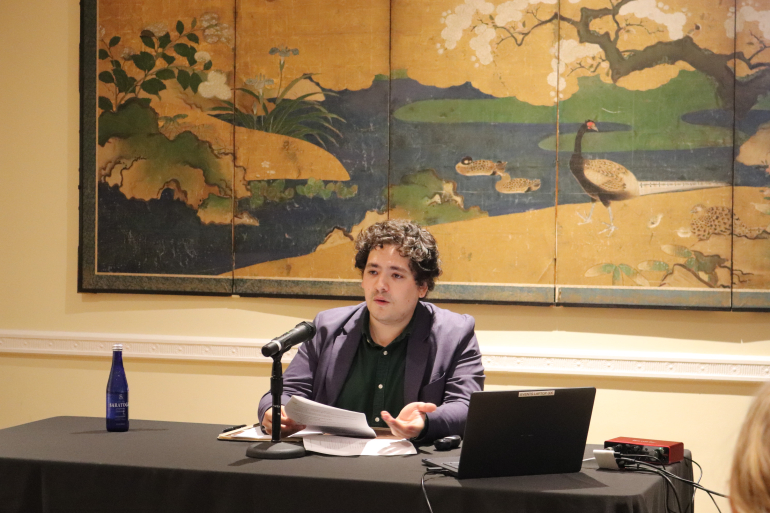
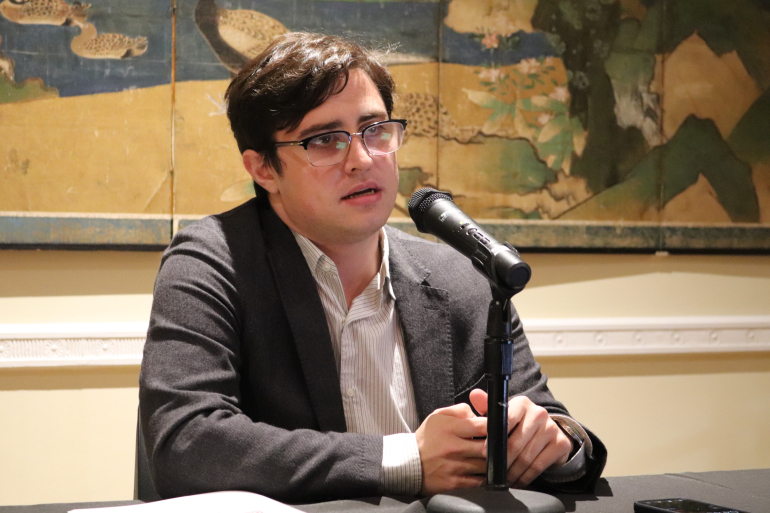
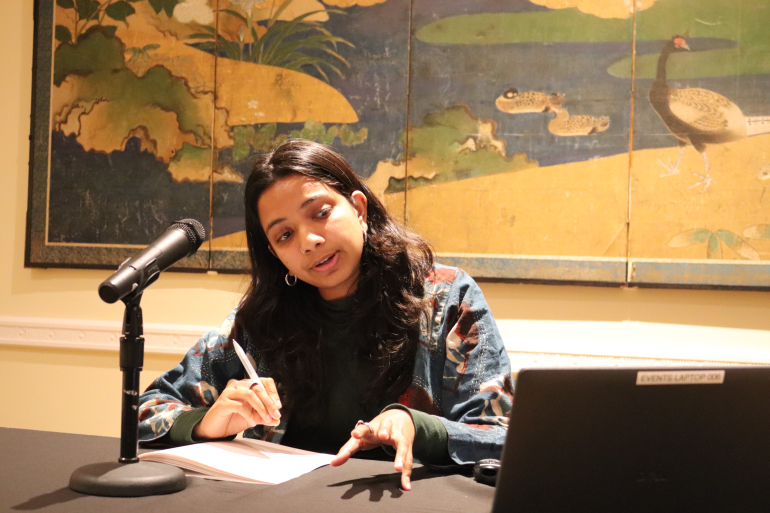
Launched this year, CCJ’s inaugural Access to Justice Fellowship paired three NYU Law students with CCJ staff and scholars over the summer and fall to develop writing projects on access to justice topics of their own choosing. Henry Muhlheim examined the challenges of pro se settlements in high-volume courts; Tag Quijano proposed reforms to existing civil commitment law; and Nala Sharadjaya analyzed the use of generative AI as a tool for expanding access to justice. Read their full bio and the initial announcement here.
At the symposium, each fellow presented their paper and workshopped their research with attendees, who offered questions, insights, and constructive feedback. The discussions were lively and engaged, and the fellows left energized, with fresh ideas to carry into their next drafts.
The symposium capped off a highly successful first year for the fellowship, which reflects CCJ’s commitment to supporting the next generation of scholars and advocates working to make the civil justice system more accessible. Fellows will incorporate feedback from the symposium before finalizing their drafts to be published on the CCJ website.