


Center on Civil Justice
We stand for an American civil justice system that is equitable, efficient, and accessible for all.
In the United States, at least 50 percent of Americans face a civil legal problem each year. These are problems that impact daily life, and with high stakes for all involved parties. They can involve smaller-scale, everyday social disputes between individuals — evictions, landlord problems, domestic violence, divorces, consumer debt, labor disputes, immigration status, etc. They can also involve larger-scale harms impacting huge populations — environmental contamination, defective drugs and consumer products, fraud, data breaches, and more.
Established in 2014, the Center on Civil Justice is a preeminent thought leader and convener for key civil justice issues across the nation. Alongside legal scholars, judges, lawyers, non-lawyer advocates, and litigants, we advocate for legal procedures and strategies that lessen bureaucracy, broaden judicial access, promote just outcomes, and increase efficiency in state and federal civil courts. Our research, conferences, and programming focus on issues like Access to Justice, legal technology and AI, and procedural improvements for class actions, multi-district litigation, litigation financing, bankruptcies, and arbitration.
Civil courts are crucial in ensuring justice in facets of everyday American life; they protect tenants, families, consumers, and workers. To that end, they must function efficiently, and they must function effectively. We envision a world where America’s civil courts are more equitable, streamlined, and accessible for all its users.
We work to solve civil courts’ most pressing problems.

Access to Justice
As many as 90 percent of Americans come to state civil courts without legal representation. But not every problem needs a lawyer. Can we create court systems that expand non-lawyer roles and increase support for unrepresented litigants? Can we build court procedures and policies to make litigation more accessible to self-represented persons? Can we expand and scale innovation to reach more people and resolve more legal problems?
Federal Court Problem-Solving
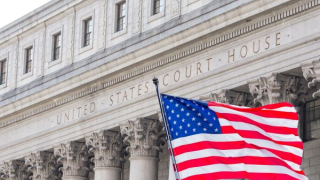
Litigation in federal courts is growing increasingly complex, with multi-district litigations, bankruptcies, and arbitrations becoming more prevalent. As federal court cases evolve, what kind of system changes are necessary to ensure our procedures stay modern, adaptable, and fair to all litigants?

Equitable Litigation Funding
All parties have always required funding sources to pay for attorneys fees and case related expenses. Does access to third-party funding level the playing field, create new ethical challenges, or both? What ethics should funders consider when getting involved in a case? What roles should the courts play in overseeing litigation funding?
Legal Technology & AI
The rise of generative AI chatbots has introduced important questions about equity and integrity in the legal system. How can courts innovate new technologies that increase accessibility and efficiency for backed up courts, while also regulating its usage and ensuring fairness? How can technology even the playing field, while protecting people with fewer resources?
Contact Us
Center on Civil Justice
-
139 MacDougal Street
Wilf Hall, Sixth Floor
New York, New York 10012